
Articles
Supporting Eating Disorder Recovery: 10 Essential Caregiver Actions
 When someone you love is struggling with an eating disorder, a quick internet search will yield a mountain of conflicting advice. Some information can leave caregivers feeling confused, blamed, or even more anxious.
This isn’t another “do and don’t” list. Instead, it’s a reflection of what I’ve learned through walking alongside hundreds of caregivers – parents, partners, siblings, and chosen family members – who have shown up with courage and compassion.
These strategies are grounded in lived experience, clinical wisdom, and the growing body of research around what truly supports eating disorder recovery. Here are some actions you can take to support a loved one on their recovery journey.
How Caregivers Can Support a Loved One’s Eating Disorder Recovery
1. Work Closely with the Eating Disorder Treatment Team
Consistency is essential, but so is collaboration. Eating disorders can create confusion when messages aren’t clear or aligned. Caregivers and treatment teams work best when they come together as partners, listening to one another, sharing insights, and making decisions that honor the client’s needs and experiences. Stay engaged by asking questions, seeking and providing feedback, and being open to learning from the treatment professionals as well as from your loved one. Whether it’s sitting with them at meals, driving them to appointments, or applying guidance from clinicians, your role is a vital part of a shared journey toward recovery. When caregivers and treatment teams collaborate with respect and openness, it creates a strong foundation for healing (1).
2. See Your Loved One Beyond the Eating Disorder
Your loved one is not their eating disorder. The illness can eclipse their personality, making them act in ways that seem hurtful, secretive, or irrational. Keep reminding yourself that they are still in there, even when it’s hard to see. Their disorder may present as anger or resistance when you hold a boundary, such as following the meal plan. It is important to remember your loved one is still there, and often grateful you are strong enough to stand up to it (2).
3. Avoid Compromising with Disordered Eating Behaviors
Avoid making deals with food or allowing “just this once” exceptions. These small compromises might feel like short-term relief, but they ultimately reinforce the disorder’s rules (3). Stick to treatment goals, even when it leads to distress. This is not cruelty, this is compassion. One of my favorite FBT quotes is, “If my parents can’t stand up to my disorder, then how am I supposed to?”.
4. Release Guilt—You Didn’t Cause the Eating Disorder
You didn’t cause this. Your child or partner didn’t choose this. Eating disorders are complex mental health conditions with genetic, psychological, and social roots (4). No one chooses their genes, and genes don’t act alone. Stay curious about what they’re feeling rather than rushing to problem-solve or assign blame.
5. Prioritize Caregiver Self-Care to Prevent Burnout
Caregiver burnout is real. You need support as much as your loved one does. Whether that means joining a support group, going to therapy, taking a break, or simply getting enough sleep, you are allowed to have needs. In fact, tending to your own health is what keeps you capable of caring for theirs (5).
6. Model Normal Eating Behaviors During Recovery
If you’re asking your child to eat the bread, but you skip it on your plate, it sends mixed messages. Modeling normalized eating, including previously “feared” foods, is essential. Show them it’s safe. Show them that you trust the process, too (6).
7. Learn What You Can, But Stay Emotionally Connected
It helps to understand how set point theory works, that carbohydrates are the body’s preferred energy source, and what type of nutritional drink is best for your loved one. But don’t get so focused on facts that you lose emotional connection. This illness is not logical. They did not use logic in the development of their disorder, and using logic alone will not bring them out of it. Your calm, present energy is just as healing as your knowledge, if not more.
8. Create a Safe, Diet-Free Home Environment
Make the home a safe, food-neutral environment (7). Ditch low-calorie substitutes, “clean eating” language, and body-focused talk. Stock foods that the treatment team recommends, even if it feels counterintuitive. Recovery needs full nutrition and full emotional safety around food.
9. Challenge Your Own Beliefs About Weight
Many caregivers carry internalized fears about weight gain. But for your loved one, gaining weight might be lifesaving. If your fear holds them back, the disorder wins. Explore your own beliefs with a therapist if needed and commit to creating a weight-neutral space. This means that you don’t talk about your own body, either (8).
10. Advocate for Your Loved One in Treatment and Daily Life
You may have to speak up for your loved one – in doctors’ offices, at school, in extended family conversations, and with insurance providers. This may include:
- Requesting blind weights
- Shutting down diet or body talk around them
- Asking schools to support meal plans
- Appealing insurance denials
You are not overreacting. You are protecting recovery.
Don’t do this alone. Work with a full treatment team, at minimum, a dietitian and therapist. Often, a family therapist, medical provider, and psychiatrist are also essential.
Being a caregiver for someone with an eating disorder is deeply challenging and incredibly important. You will not do this perfectly, but perfection is not the goal. Instead, focus on presence, compassion, and persistence.
Citations
- Academy for Eating Disorders. (n.d.). The role of the family in eating disorders [Position paper]. ResearchGate. Retrieved August 18, 2025, from https://www.researchgate.net/…/Academy-for-Eating‑Disorders-Position-Paper-The‑Role‑of‑the‑Family‑in‑Eating‑Disorders.pdf
- Rienecke, R. D., & Le Grange, D. (2022). The five tenets of family‑based treatment for adolescent eating disorders. Journal of Eating Disorders, 10, Article 60. https://doi.org/10.1186/s40337‑022‑00585‑y
- Lock, J., & Le Grange, D. (2013). Treatment manual for anorexia nervosa: A family‑based approach. Guilford Press.
- Culbert, K. M., Racine, S. E., & Klump, K. L. (2015). Research review: What we have learned about the causes of eating disorders – A synthesis of sociocultural, psychological, and biological research. Journal of Child Psychology and Psychiatry, 56(11), 1141–1164. https://doi.org/10.1111/jcpp.12441
- Treasure, J., & Nazaret, B. P. (2016). Interventions for the carers of patients with eating disorders. Current Psychiatry Reports, 18, Article 2. https://doi.org/10.1007/s11920‑015‑0652‑3
- Loth, K., Wall, M., Choi, C.-W., Buccianeri, M., Quick, V., Larson, N., & Neumark‑Sztainer, D. (2014). Family meals and disordered eating in adolescents: Are the benefits the same for everyone? International Journal of Eating Disorders, 48(1), 100–110. https://www.ncbi.nlm.nih.gov/pmc/articles/PMC4792511/
- Tribole, E., & Resch, E. (2020). Intuitive eating: A revolutionary anti-diet approach (4th ed.). St. Martin’s Press.
- Rancano, K., Eliasziw, M., Puhl, R., Skeer, M., & Must, A. (2021, June). Weight teasing and disordered eating behaviors in adolescents: The moderating role of family meals. Current Developments in Nutrition, 5(Suppl 2), 1241. https://www.sciencedirect.com/science/article/pii/S2475299123117598
- Academy for Eating Disorders, Experts by Experience Committee. (2023). 10 Actions [Document]. Retrieved from https://www.aedweb.org/resources/publications/10-actions
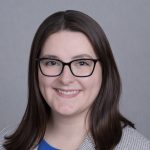
Dietitians specializing in Eating Disorder Recovery
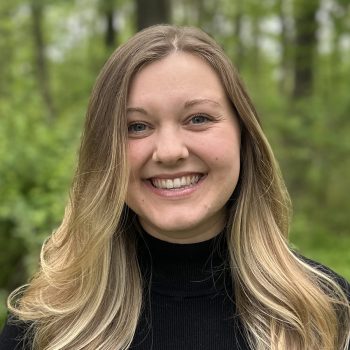
Addison Allee RD, LDN
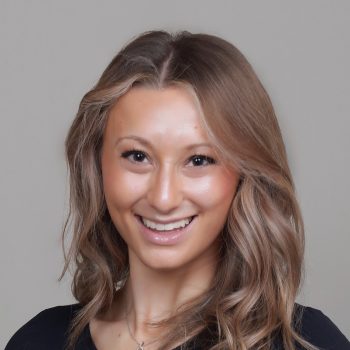
Carly Apter MS, RD, LDN
Lead Dietitian
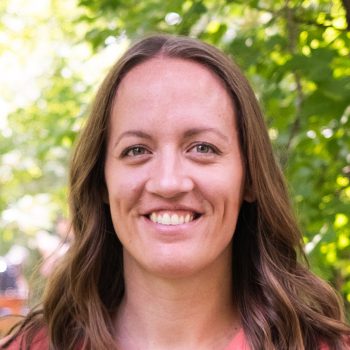
Sarah Burkett RD, LDN, CLC
Evie Copeland MS, RD, LDN, CEDS
Katrina Fotovich MS, RD
Regan Henry MS, RD, LDN, CEDS-C
Clinical Content Coordinator
Madison Judge RD, LDN
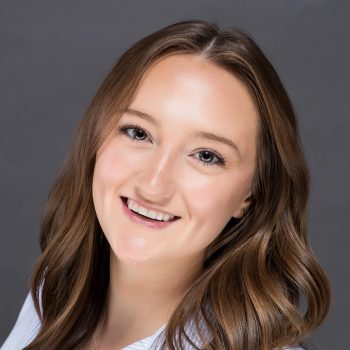
McKenna Lewis MPS, RD, LDN
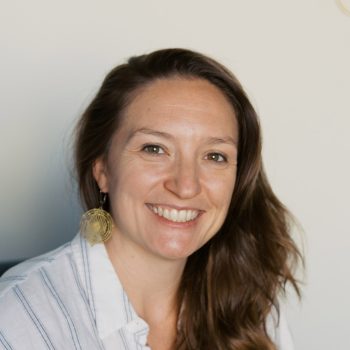
Jamie Morgan RD, LDN, CYT
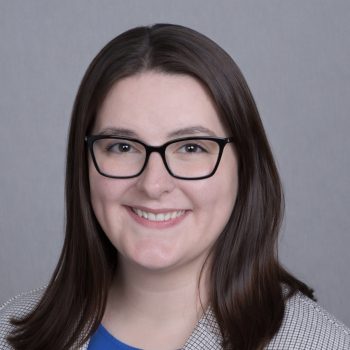
Sarah Nichols RD, LDN, CEDS-C
Lead Dietitian

Lizz O’Mahoney RD, LDN
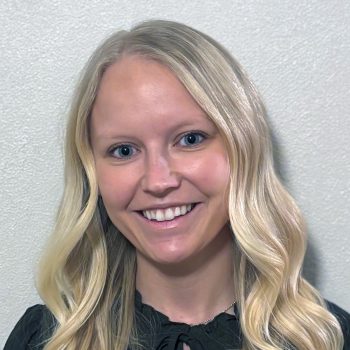
Claire Pedretti RD, CDN, LDN, CEDS-C
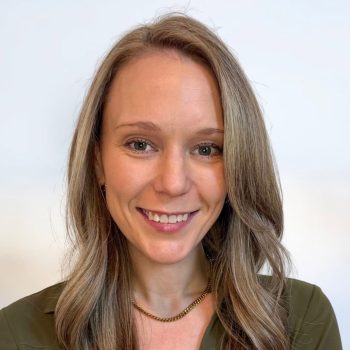
Amanda Shrake RD, LDN
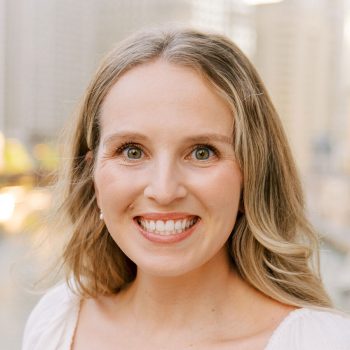
Taylor Smith MS, RD, LDN
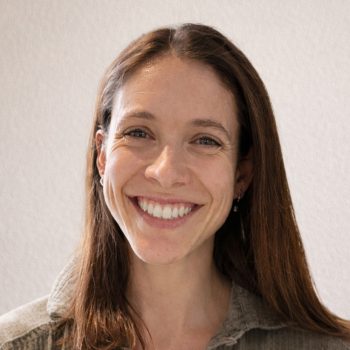
Jordan Thaler MPH, RD, LDN
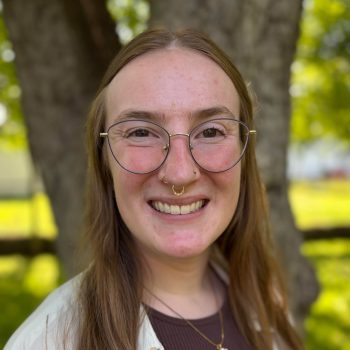
Stacia Tietje MS, RD, LD, CEDS
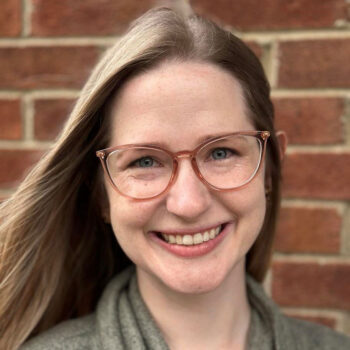
Katie Turchen MS, RD, LDN
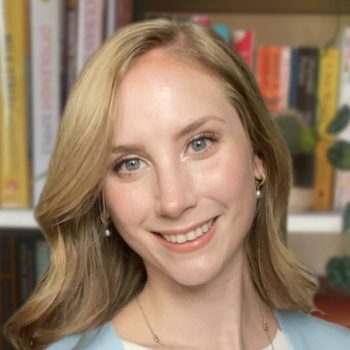
Anna Tworzyanski MS, RD, LDN
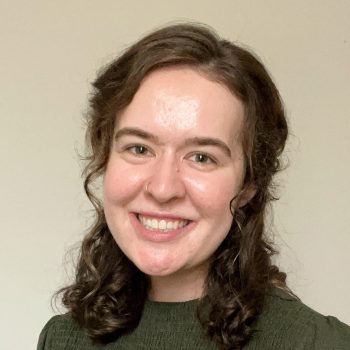
Hannah VanFossen MPH, RD, LDN
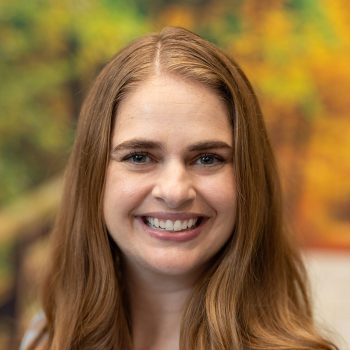
Chelsea Straight MS, RDN, LDN, CEDS-C, SEP
VP of Clinical Operations
Start your journey to a
Healthier Tomorrow
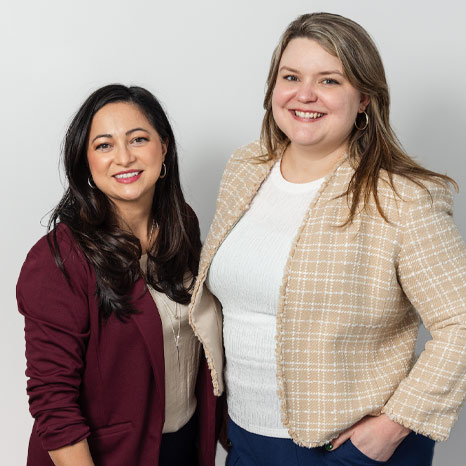
Meet Sara and Sabrina. Their team is here to answer your questions and help you find the right Healthier Tomorrows dietitian. After requesting an appointment, someone from their team will follow up with you.
Schedule an Appointment Online Submit Scheduling FormSubmit Scheduling Form
Fill out our scheduling form below. Our team will reach out to you to help you find the right Healthier Tomorrows dietitian.