
Articles
Back to School Tips for Eating Disorder Recovery
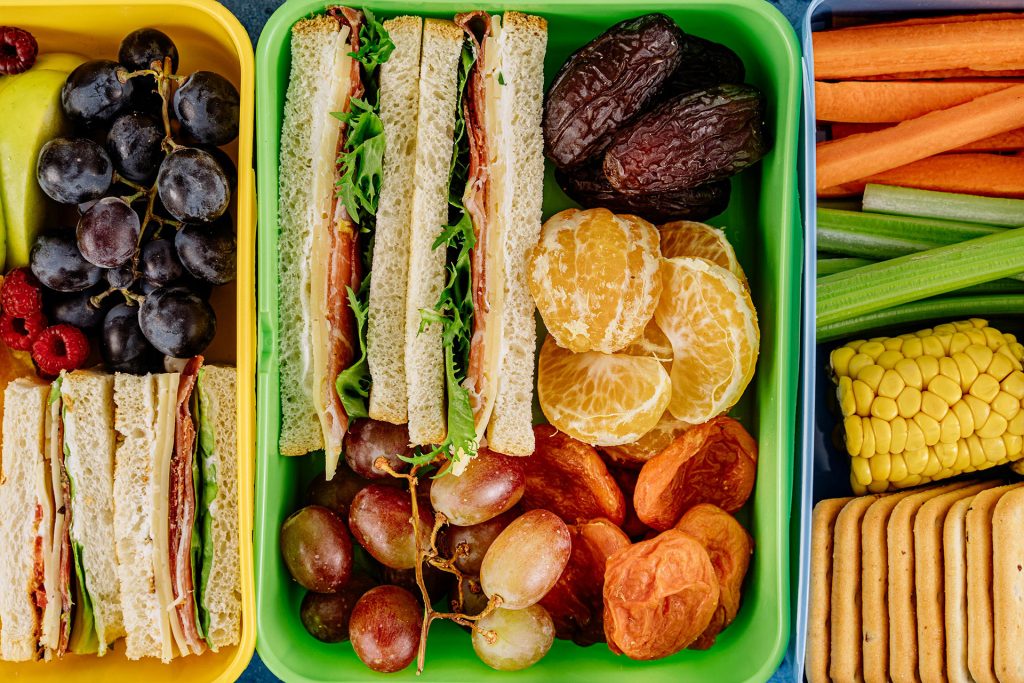 The weather is still hot, but summer days are coming to a close. Stores have their back-to-school supplies out, and it’s that time of year again to go back to school. No matter your age, navigating ways to follow your recovery meal plan and meet your nutrition needs can be a daunting part of back-to-school season.
Between being unsure what to bring for lunch and being concerned if you’ll have access to a microwave, there is a lot to navigate, and it can feel overwhelming. Let’s go through a checklist to ensure you or your loved one is prepared for back-to-school season and pick up some tips along the way.
Back-to-School Meal Prep: What to Pack for Lunch
The first day of school can be overwhelming for anyone. Focus on packing food you know you can rely on. Bring something familiar and comforting. Now is not the time to experiment if eating at school already feels challenging.
Practice self-compassion and think about what foods you can eat with ease. If a sandwich is a go-to meal, maybe try a peanut butter/SunButter and jelly sandwich with sides. Maybe a picnic-style meal is more your preference. Practice eating this meal before the first day back to help you feel more confident.
Consider any nut-free school policies when packing your food and consider items that you can eat quickly and conveniently such as a squeezable applesauce pouch, a bar, jerky stick, or trail mix. It is always better to pack more vs less if you are unsure.
Safe Food Storage at School: Lunchboxes, Lockers, and Coolers
Is your lunchbox big enough? Can you keep pre-packaged snacks in your locker or backpack for convenience? Do you have access to a refrigerator? Be sure your containers are spill-proof, and you have sufficient ice packs or a thermos. If no refrigerator is available, consider requesting access through a 504 or Individualized Assessment Plan (IEP), if applicable.
Meal Timing at School: Eating Around Your Class Schedule
Bring your class schedule to your next dietitian appointment to map out a plan for fueling sufficiently at regular intervals throughout the day. No one functions best when they are too hungry to focus in class!
Finding Supportive Lunch Companions at School
It may be necessary and supportive to eat with the school nurse or counselor. Some elementary, middle, and high schools have a program through the counseling office where students are allowed to eat lunch in a calmer environment to help them regulate and have support. Having a plan to eat with at least one safe and supportive person can ease anxiety. Planning this in advance can be helpful.
Microwave Access at School: Hot Lunch Options vs. No-Heat Meals
If needed, this is something that could be requested in a 504 or Individualized Education Plan (IEP). If you are unsure, opt for having a no-reheat lunch! Your dietitian can help you brainstorm no-heat lunch ideas that meet your unique needs and preferences.
Emotional Support and Meal Plan Backup Strategies at School
Do you have a plan for emotion regulation? Do you know where student counseling is if you need to check in with someone? If you don’t finish a meal or snack, follow the predetermined plan you set with your care team. This may mean supplementing your intake with an unopened (i.e., room temperature safe) Boost or texting a support person to help hold you accountable for eating something to make up for the missed nutrition when you get home.
Back-to-School Outfits: Choosing Comfortable, Confidence-Boosting Clothes
Give yourself options about what you feel most comfortable in. Layers can be helpful in the fall for the colder mornings that have you roasting by the afternoon. Practice wearing your outfit on your first day outside ahead of time to ensure you feel comfortable in it.
Healthy Snack to Stay Fueled Throughout the School Day
Talk about this with your dietitian! Remember that our brains use 20-25% of the body’s energy needs at rest2. During school, with additional learning and activity, needs are even greater. Snacks help meet those demands.
Handling Back-to-School Conversations About Recovery and Treatment
Be sure to schedule regular appointments with your therapist to help navigate the back-to-school conversations if needed. You are in control of your story. Whether you choose to be open, vague, or playful, it’s entirely your decision who to tell and when.
Whatever your plan looks like, preparation, support, and self-compassion are key to a successful return to school. Your dietitian is here to support you!
Citations:
- https://www.frontiersin.org/journals/systems-neuroscience/articles/10.3389/fnsys.2021.648860/full

Dietitians specializing in Eating Disorder Recovery
Addison Allee RD, LDN

Carly Apter MS, RD, LDN
Lead Dietitian
Lindsay Buchheit RD, LDN

Sarah Burkett RD, LDN, CLC
Evie Copeland MS, RD, LDN, CEDS
Regan Henry MS, RD, LDN, CEDS-C
Clinical Content Coordinator

Madison Judge RD, LDN

Jamie Morgan RD, LDN, CYT
Sarah Nichols RD, LDN, CEDS-C
Lead Dietitian

Lizz O’Mahoney RD, LDN
Claire Pedretti RD, CDN, LDN, CEDS-C

Amanda Shrake RD, LDN

Taylor Smith MS, RD, LDN

Jordan Thaler MPH, RD, LDN

Stacia Tietje MS, RD, LD, CEDS

Katie Turchen MS, RD, LDN

Anna Tworzyanski MS, RD, LDN

Hannah VanFossen MPH, RD, LDN
Chelsea Straight MS, RDN, LDN, CEDS-C, SEP
VP of Clinical Operations
Start your journey to a
Healthier Tomorrow
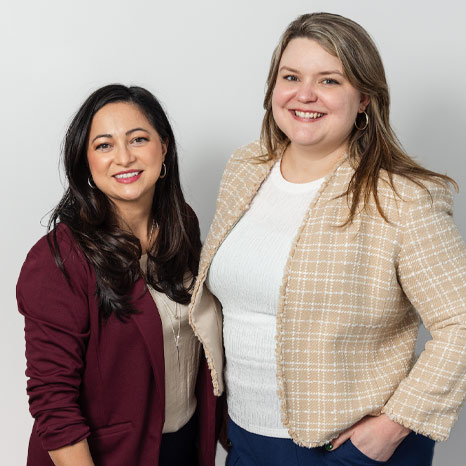
Meet Sara and Sabrina. Their team is here to answer your questions and help you find the right Healthier Tomorrows dietitian. After requesting an appointment, someone from their team will follow up with you.
Schedule an Appointment Online Submit Scheduling FormSubmit Scheduling Form
Fill out our scheduling form below. Our team will reach out to you to help you find the right Healthier Tomorrows dietitian.