
 Research suggests that eating disorders affect at least 13.5 million Americans annually (1). Binge eating disorder (BED) specifically is one of the most common eating disorders. In fact, BED impacts 0.6-1.8% of adult women and 0.3-0.7% of adult men worldwide (2).
BED is described as “eating an excessive amount of food in a discrete period of time accompanied by a sense of lack of control”(1).
BED can be associated with various mood disorders, including OCD, depression, or personality disorders. Because of this, BED is complex and multifaceted, meaning there are many signs and symptoms, some of which may be hard to spot.
Binge eating can occur for many different reasons, both physical and emotional in nature. Research suggests that the most direct cause of a binge is restricting one’s intake (4). This is commonly referred to as the “binge-restrict” cycle. In this cycle, clients may “save” calories throughout the day by under-eating, only to over-eat, or binge, in the evenings.
This deprivation during the day leads to feeling “out of control” around food. Deprived of nutrients, the brain struggles to make rational food choices during this time, ultimately leading to a binge. Many people then feel the need to restrict intake again to “off-set” the calories associated with the binge episode, and thus the cycle continues.
Another common reason one might binge is due to the never-ending societal food rules they may feel pressured to follow. These rules can include limiting intake after a certain time of day, avoiding foods that are seemingly higher in a certain nutrient, or refusing to consume foods with more than ‘x’ ingredients on their food label. Following these food rules naturally can lead to restriction, which in turn can land clients in the restrict-binge cycle.
Lastly, binge eating can occur in those who are struggling with body image and body dissatisfaction. In fact, body dissatisfaction and fear of weight gain are associated with an increased risk of binge eating episodes (4). Binge eating can cause weight changes or fluctuations, resulting in further body dysmorphic thoughts in clients. This can lead clients to feel the need to restrict intake, and once again, possibly end up in a binge-restrict cycle.
Binge eating is commonly treated through a care team specialized in supporting those with an eating disorder or disordered eating habits. This generally tends to be a team composed of a mental health specialist (therapist, counselor, psychologist, etc.), a registered dietitian, and a general physician to ensure client safety.
This team will work together to address food behaviors, one’s relationship with food and body, meal planning, medications (if necessary), and more. Healthier Tomorrows has many registered dietitians on staff who have experience helping those with BED. If you or someone you know is struggling with BED/disordered eating behaviors, please reach out.
Citations
Setnick, J. (2017). Academy of Nutrition and Dietetics Pocket Guide to Eating Disorders (6th ed.). Academy of Nutrition and Dietetics.
Giel, K. E., Bulik, C. M., Fernandez-Aranda, F., Hay, P., Keski-Rahkonen, A., Schag, K., Schmidt, U., & Zipfel, S. (2022). Binge eating disorder. Nature Reviews Disease Primers, 8(1). https://doi.org/10.1038/s41572-022-00344-y
“Binge Eating Disorder.” Cleveland Clinic, 17 Apr. 2023, my.clevelandclinic.org/health/diseases/17652-binge-eating-disorder#symptoms-and-causes.
Herrin, M., & Larkin, M. (2013). Nutrition counseling in the treatment of eating disorders (2nd ed.). Brunner-Routledge.





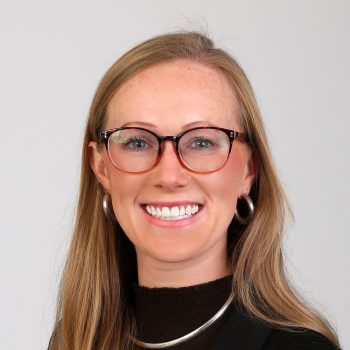















Use our online booking system to find a dietitian and schedule an appointment.
Click Here to Schedule Online Now!Fill out our scheduling form below. Our team will reach out to you to help you find the right Healthier Tomorrows dietitian.
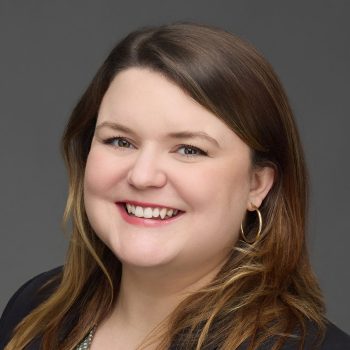
Meet Sara Morrison. Sara and her team are here to answer your questions and help you find the right Healthier Tomorrows dietitian. After submitting our appointment form, someone from Sara's team will follow up with you.
