
 Nutrition and eating are highly individualized and personal experiences. Each person is unique and has their own experiences, perspective, and needs that should be accounted for in their treatment and healthcare experience. To support tailoring treatment to meet the needs of each of our clients and improve outcomes, we have been incorporating Measurement-Based Care (MBC) into our sessions.
MBC is a research-backed approach that uses standardized, reliable tools, such as questionnaires, to track a client’s progress over time. The data provided by these measures can help provide more insight into the client’s life and treatment experiences, allowing for better outcomes and the most effective support for our clients.
Using validated questionnaires, clients can provide feedback to their providers, gain insight into how nutrition affects other aspects of their lives, track their food consumption frequency, and monitor their progress over time toward achieving their goals.
As a provider, this data serves as a roadmap, helping us guide our clients to reach their goals and develop the most effective interventions.
Our nutrition care approach is highly personalized. Discovering how to nourish our bodies best can be a complex and challenging process at times. MBC helps bring clarity and precision to that process. Some of the key ways it strengthens nutrition care include:
First and foremost, MBC is a tool for clients. Let’s take a deeper look at the benefits of MBC for our clients:
For example, a client may complete a brief questionnaire that highlights rising anxiety levels around meals. This insight not only flags the issue for their provider but also helps the client reflect on the connection between their food patterns and emotional well-being. Together, they can adjust strategies to better support well-being.
MBC goes beyond just collecting data; it’s about transforming the care experience. Using structured tools and measurements, MBC ensures that each client’s journey is shaped by both professional expertise and their personal experiences. The outcome is a treatment process that is:
For clients, that means better outcomes and a stronger voice in their recovery. For providers, it offers a more precise roadmap and the ability to provide care that is both compassionate and effective.
By weaving together reliable data and human connection, MBC strengthens the impact of nutrition counseling and reinforces the belief that progress is possible—one intentional step at a time.
Use our online booking system to find a dietitian and schedule an appointment.
Click Here to Schedule Online Now!Fill out our scheduling form below. Our team will reach out to you to help you find the right Healthier Tomorrows dietitian.
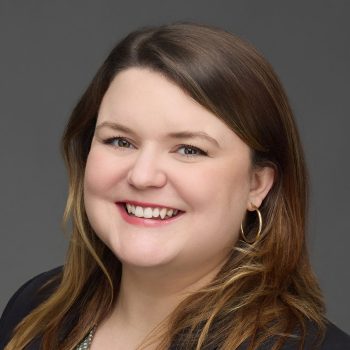
Meet Sara Morrison. Sara and her team are here to answer your questions and help you find the right Healthier Tomorrows dietitian. After submitting our appointment form, someone from Sara's team will follow up with you.