
Articles
How Much Protein Do You Need on GLP-1 Medications?
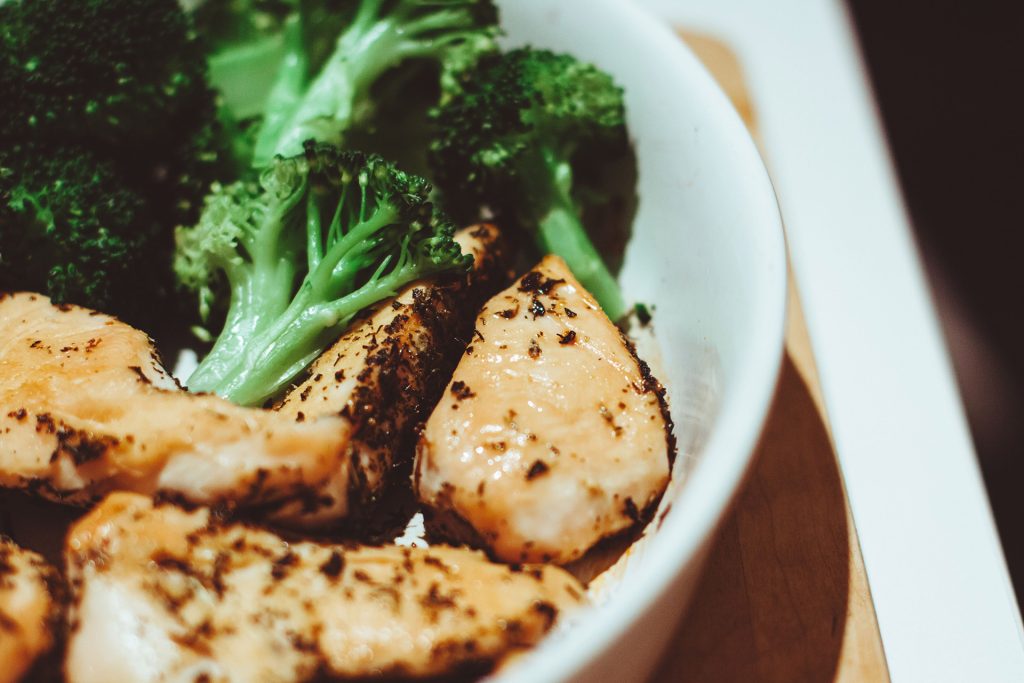 GLP-1 medications like semaglutide and tirzepatide can help manage a variety of chronic health conditions and support weight loss by reducing appetite and slowing digestion. But eating less overall can also make it harder to get enough protein, and that matters.
Without adequate protein, the body may lose muscle along with fat during weight loss. Preserving muscle is important for strength, metabolism, energy, and long-term health.
Why Protein Matters on Ozempic and GLP-1 Medications
GLP-1 medications sometimes get a bad reputation for causing muscle loss. In reality, losing some muscle mass can happen with any form of weight loss. Rapid weight loss naturally increases the risk of muscle loss. The goal is to preserve as much lean muscle as possible. A higher-protein diet combined with regular resistance training is one of the most effective ways to support muscle maintenance during weight loss.
Adequate protein helps support:
- Muscle maintenance
- Metabolism
- Exercise recovery
- Blood sugar management
- Fullness and satiety
Many people taking GLP-1 medications also experience early fullness, nausea, or reduced interest in food, which can unintentionally lower protein intake.
How Much Protein Do You Need on Ozempic?
Protein needs vary, but most adults on GLP-1 medications benefit from more than the minimum recommendation.
For individuals trying to lose weight, maintain muscle, or support regular physical activity, a common recommendation is:
- 1.2–2.0 grams of protein per kilogram of body weight daily
For example:
- A 200-pound (91 kg) person may need roughly 110–180 grams daily.
The higher end of this range may not feel realistic early on, especially if your appetite is significantly reduced. Focus on making gradual improvements and prioritizing protein whenever you eat.
What 30 Grams of Protein Looks Like: Real Meal Examples
Hearing that you need 100+ grams of protein per day can feel overwhelming, especially when your appetite is reduced. Rather than focusing on a large daily number, it can be helpful to think about protein meal-by-meal.
Aiming for approximately 25–35 grams of protein at each meal can make it easier to reach your daily goal while supporting muscle maintenance and keeping you satisfied between meals.

As you can see, 30 grams of protein can come from a variety of foods—including both animal and plant-based options. Rotating protein sources throughout the week helps provide a wider range of nutrients while keeping meals interesting.
Remember, perfection isn’t the goal. Every protein-rich meal is an opportunity to support muscle preservation, recovery, energy levels, and overall health.
Are Protein Shakes Good on Ozempic? Choosing the Right Supplements
Not always. Many people can meet their needs through food alone, but protein supplements can be especially helpful for GLP-1 users with low appetite or limited meal capacity.
Different protein powders and shakes offer different benefits:
- Whey protein is quickly absorbed and supports muscle repair and growth.
- Soy protein is a complete plant-based protein comparable in quality to many animal proteins.
- Pea protein is hypoallergenic and plant-based.
Best Protein Sources for People on GLP-1 Medications
When shopping for protein products, be cautious of foods marketed as “high protein.” Many contain only modest amounts of protein relative to their calories and are often overpriced or overhyped.
In general, look for:
- 20–30 grams of protein per serving
- Moderate added sugar
The Bottom Line: Protein, GLP-1, and Working with a Dietitian
GLP-1 medications can be effective tools for managing a variety of health conditions and supporting overall health, but nutrition still matters. Working with a registered dietitian can help take the guesswork out of eating while on GLP-1 medications. Dietitians can help personalize protein goals, develop practical meal strategies, and ensure you’re getting the nutrition you need to support your health, body composition, energy levels, and overall well-being.
References
Dariush Mozaffarian, Agarwal M, Aggarwal M, et al. Nutritional priorities to support GLP‐1 therapy for obesity: A joint Advisory from the American College of Lifestyle Medicine, the American Society for Nutrition, the Obesity Medicine Association, and The Obesity Society. Obesity. Published online May 30, 2025.

Dietitians specializing in GLP-1 Support

Nicole Becker RD, LDN

Kamryn Brown MS, RD, LDN, CFNIP
Lindsay Buchheit RD, LDN

Evie Copeland MS, RD, LDN, CEDS
McKenzie DeRennaux MA, RD, LDN, CFNIP

Amy Gionta MS, RD, LDN, IFNCP

Deanna Goldstein MS, RD, LDN

Madison Judge RD, LDN

Maddie Marcero RD, LDN

Holly Nusser MS, RD, LDN

Maddie Ring RD, LDN

Rachel Shelton RD, LDN

Jessica Smosna RD, LDN, CFNIP, CLT
Functional Nutrition Director

Katie Turchen MS, RD, LDN

Amelia Venetos RD, LDN
Lead Dietitian

Chelsea Straight MS, RDN, LDN, CEDS-C, SEP
VP of Clinical Operations

Start your journey to a
Healthier Tomorrow
Meet Sara and Sabrina. Their team is here to answer your questions and help you find the right Healthier Tomorrows dietitian. After requesting an appointment, someone from their team will follow up with you.
Schedule an Appointment Online Submit Scheduling FormSubmit Scheduling Form
Fill out our scheduling form below. Our team will reach out to you to help you find the right Healthier Tomorrows dietitian.