
 It can be incredibly difficult to experience the discomfort of eating a meal when you are struggling in your relationship with food. When you eat with an eating disorder, it is common to have strong emotions during meals, experience early fullness, gastrointestinal discomfort, and increased urges for unhealthy behaviors. These experiences often can be followed by more discomfort when we think of what we “should” have done or can do. This shame can keep us stuck in the cycle of using negative coping behaviors such as restriction.
Acknowledging how much effort has to go into fueling yourself can be helpful. Beforehand, you must plan the meal, purchase the meal or its ingredients, prepare the food, and plate the food in sufficient amounts. You must use skills to navigate urges and emotions. You must eat the food. Then, you’ll probably process the experience, distract yourself after the meal, and get ready to do it again. It can feel exhausting just thinking of it all!
This is where meal support can help. You don’t have to do this alone. Research shows that peer support during therapeutic meals is beneficial in helping to reduce feelings of hopelessness for recovery (1).
By seeking support from professionals and sharing the experience in the community with others, we can take steps to heal.
There is sufficient evidence, both anecdotally and through research, that meal support is beneficial for clients of all age groups and all eating disorder diagnoses, as well as those who do not meet the clinical threshold for an eating disorder diagnosis. This means that meal support can be a beneficial first-line treatment approach for a wide variety of people (2). Research shows that regardless of weight restoration, eating behavior is a strong predictor of clinical outcomes in eating disorder recovery (3). Meal support is also associated with decreased need for higher levels of care by helping to facilitate weight restoration when clinically indicated (4).
Meal support feels hard because disordered eating behaviors are the default; if we do not take action, the behaviors continue. When you join meal support, you are taking a step to learn new ways to take care of yourself. This can be very uncomfortable, especially when you are instructed to do the opposite of what the eating disorder voice says. This might mean picking up your fork, pulling your plate closer to you, challenging rigid rules about order, taking an appropriately sized bite, or using the appropriate amount of a condiment. Bite by bite, we re-learn the way to nourish our bodies and brains.
When we consistently expose ourselves safely to the repeated discomfort of consuming regular meals and snacks, it begins to feel less overwhelming. We get stronger, both mentally and physically.
One client referenced their meal support experience with a dietitian and the impact that it had on their recovery journey:
“It was a difficult meeting. She had me eating. She was tough. On the other hand, she hugged me and encouraged me. I came out deciding that I was going to eat, even though it will be hard. […] It’s far less than what I’m supposed to eat, but it’s a big and hard step.” (5).
Is it time for you to take the next hard step? If you are interested in participating in meal support groups, please contact [email protected] to get started and reserve your spot.
Citations:
Beukers, L., Berends, T., de Man‑van Ginkel, J. M., van Elburg, A. A., & van Meijel, B. (2015). Restoring normal eating behaviour in adolescents with anorexia nervosa: A video analysis of nursing interventions. International Journal of Mental Health Nursing, 24(6), 519–526. https://doi.org/10.1111/inm.12150 BioMed Central
Ellis, A., Gillespie, K., McCosker, L., Diamond, G., Branjerdporn, G., Woerwag‑Mehta, S., Hudson, C., Machingura, T., & Branjerdporn, G. (2024). Meal support intervention for eating disorders: A mixed‑methods systematic review. Journal of Eating Disorders, 12, Article 47. https://doi.org/10.1186/s40337-024-01002-2 BioMed CentralSpringerLink
Gowers, S. G., Edwards, V. J., Fleminger, S., Massoubre, C., Wallin, U., Canalda, G., … (2002). Treatment aims and philosophy in the treatment of adolescent anorexia nervosa in Europe. European Eating Disorders Review, 10(4), 271–280. https://doi.org/10.1002/erv.466
Kells, M., Davidson, K., Hitchko, L., O’Neil, K., Schubert‑Bob, P., & McCabe, M. (2013). Examining supervised meals in patients with restrictive eating disorders. Applied Nursing Research, 26(2), 76–79. https://doi.org/10.1016/j.apnr.2012.06.003
Elran‑Barak, R., Lewis, Y. D., & Schifter, T. (2022). Women’s perspectives toward their nutritional counseling for eating disorders: A qualitative internet‑based study in Israel. Health Care for Women International, 43(2), 219–238.https://pubmed.ncbi.nlm.nih.gov/34403324/
Use our online booking system to find a dietitian and schedule an appointment.
Click Here to Schedule Online Now!Fill out our scheduling form below. Our team will reach out to you to help you find the right Healthier Tomorrows dietitian.
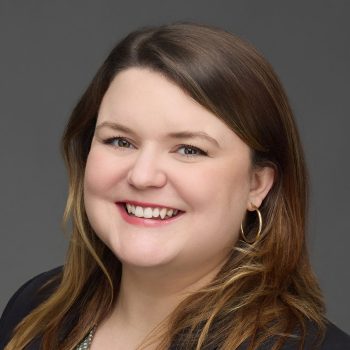
Meet Sara Morrison. Sara and her team are here to answer your questions and help you find the right Healthier Tomorrows dietitian. After submitting our appointment form, someone from Sara's team will follow up with you.