 In today’s society, it can be very confusing to distinguish ‘normal’ from ‘disordered’ or even ‘eating disorder’ as the vision of an appropriate relationship with food or body often becomes very warped. Due to cultural, societal, peer, and family influences, it is common to ignore red flags, as disordered behaviors are often praised or validated. The reality is that any level of distress around food or body is worthy of receiving support and care.
Here are 10 red flags that indicate you might need support from an eating disorder professional:
Do you spend hours in the store, checking every food label and comparing products to see which one is “healthiest” or lowest in a specific nutrient? Or do you avoid the store entirely, fearful of a judgmental glance or feeling uncertain about what to even purchase when your list of allowed foods is becoming smaller and smaller? Both are common behaviors seen in individuals struggling with an eating disorder.
Are you cooking or baking more, but are hesitant to try what you make? Preoccupation with food is a sign of mental or physical restriction. The disorder tries to engage with food without actually consuming it (1).
Party, prom, wedding, vacation, or photo-op coming up? The disorder tells you that you have to ‘prepare’ now. Bodies are not trends, and a photo will never be able to fully capture the depth of you as a human apart from your appearance. This event-focused restriction keeps us stuck in the diet mentality, leaving us feeling out of control and helpless.
Are you cutting out food groups? Do you have limited ‘safe’ food options? Maybe it has to have a specific taste, texture, number on the label, or brand logo on the front. This is worth addressing! The eating disorder is creative, and ‘safe’ foods usually don’t stay ‘safe’. It is worth expanding the foods you are willing to eat because it leads to a fuller, richer life with more cognitive flexibility.
Persistently planning your next eating opportunity is a sign that you are not getting enough food, or that you do not trust yourself to engage with food. You deserve to use your beautiful brain for something other than holding all food numbers in your head and constantly calculating what you’ve eaten, and what you’re “allowed to have” that day (1).
Are you constantly checking your weight on the scale? Fear of weight gain and desire for thinness is predictive of eating disorder severity (1). We know that less than 6% of people with an eating disorder are medically underweight (2). You can be in a straight-sized body and still be weight suppressed, needing weight restoration. In fact, this is the norm, not the exception (3).
When the body and brain are not consistently nourished, the body cannot spend precious fuel on sending hunger signals that might just be ignored. After the hunger cues scream, they fizzle out and become inconsistent or quiet. This makes it difficult to acknowledge that you are, in fact, restricting, even though you don’t feel hungry often, or you feel full quickly after eating (4).
Intentionally low calorie, high fiber, high protein, low carbohydrate, low fat, no added sugar foods can often be all that is left after the eating disorder food rules dictate what is ‘allowed’. You cannot live a full life on an empty stomach.
Are you avoiding going out with your friends because you are uncertain of the food plan? Bit by bit, the disorder isolates you. Recovery can mean going against the food rules and isolation to make memories with those you love.
Overtraining injuries are common in under fueled athletes. A 2021 study found that in competitive athletes, over 86% met criteria for an eating disorder (5). Overtraining can be subjective. You have to eat and hydrate sufficiently, otherwise you run the risk of RED-S and injuries that prevent playing time, keeping you sidelined.
If you are feeling like any of these signs apply to you or a loved one, it is worth seeking care from a qualified multidisciplinary treatment team, including a Registered Dietitian. It is never ‘too soon’ to reach out.
Use our online booking system to find a dietitian and schedule an appointment.
Click Here to Schedule Online Now!Fill out our scheduling form below. Our team will reach out to you to help you find the right Healthier Tomorrows dietitian.
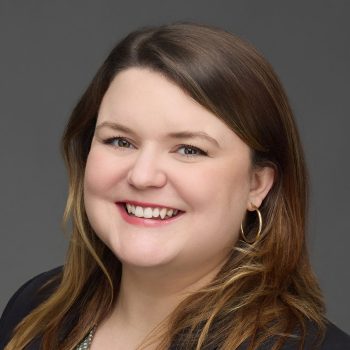
Meet Sara Morrison. Sara and her team are here to answer your questions and help you find the right Healthier Tomorrows dietitian. After submitting our appointment form, someone from Sara's team will follow up with you.