
 Eating habits vary significantly from one individual to the next and are typically developed early on. Many factors dictate what you eat, how much, and the types of foods that you choose. An eating disorder is defined as “any of a range of mental conditions in which there is a persistent disturbance of eating behavior and impairment of physical or mental health.” Over time, those unhealthy sets of behaviors can lead to long-term problems, and in some cases, death.
According to the National Association of Eating Disorders, approximately 9% of the population, or 28.2 million people in the US, will have symptoms of an eating disorder within their lifetime, which is a considerable amount. How do you know whether your habits are just mildly unhealthy or if they require treatment? These are some signs that you would benefit from an eating disorder dietitian.
Not everyone gets the proper amount of nutrition daily, but an eating disorder differs from unhealthy eating habits in critical ways. An eating disorder usually involves focusing obsessively on your body shape, weight, and food. When someone is too heavily engrossed in monitoring food intake, they can develop dangerous eating behaviors that affect the body’s ability to get the necessary nutrients it needs for critical body systems to function correctly.
Over time, eating disorders can harm things such as the digestive system, oral health, bone density, and heart health. Eating disorders have also been linked to anxiety, depression, suicidal thoughts and behaviors, and self-harming tactics. The good news is that with proper treatment and help, you can reduce serious complications and, in some instances, even reverse them.
Many symptoms can indicate that you have an eating disorder, and they vary from one individual to the next. The symptoms usually depend on the type of eating disorder that someone has. Binge-eating, anorexia, and bulimia are the most common diagnosable eating disorders, and each comes with its own set of behaviors and patterns.
Anorexia nervosa is an eating disorder marked by extremely low body weight, an intense preoccupation with weight gain, and a view of one’s shape or weight that is unrealistic. It usually involves intensive control of one’s weight, which interferes with someone’s health and daily life. Anorexia can include a severe limit of calories or singling out single foods or food groups to eat or that you avoid.
Those with anorexia usually use other methods to control or lose weight, which can include excessive exercise, taking dietary aids or laxatives, or purging after eating. The efforts used to control or lose weight in anorexia can ultimately result in severe health problems even for those who continue to eat throughout the day or aren’t severely underweight.
Bulimia or Bulimia nervosa differs from anorexia but can be just as life-threatening and severe. It includes episodes of binge eating that are regularly followed by purging episodes. Like anorexics, bulimics typically severely limit their food intake for long periods, which can lead to a stronger urge to engage in a cycle of bingeing and then purging. Binge-eating is a habit whereby someone eats a large quantity of food in a very short time. During binge eating, an individual feels as if they have very little control over what and how much they eat. After binging, there is a feeling of shame, guilt, and fear of gaining weight, so the individual purges to rid themselves of the calories.
Those with bulimia also typically engage in unhealthy habits such as excessive exercise and the use of laxatives. Like most eating disorders, bulimia involves an extreme obsession with body weight and shape, along with harsh self-judgment about one’s personal appearance.
Binge eating disorder is a condition where people eat a large amount of food within a short period of time. When they engage in binge behaviors, a person can feel as if they are out of control and unable to stop themselves. During binge episodes, people tend to eat more than they need to, and well after they feel full. They can also feel compelled to eat when they aren’t hungry and are usually set off by emotional triggers rather than feelings of hunger.
Like bulimia, however, binge-eating disorder can lead to a great amount of shame, disgust, and guilt that can lower one’s self-esteem. Because they fear gaining weight, many will follow binge episodes by severely limiting what they eat afterward. Binge-eating is also often shrouded by secrecy and embarrassment that only further perpetuates the cycle.
Avoidant/restrictive food intake disorder is an eating disorder characterized by excessive calorie restriction or the removal of particular foods. When someone restricts their calorie intake habitually, it usually results in nutritional deficiencies. It can also lead to problems with body functions and development if exercised during critical growth periods.
People with avoidant/restrictive food intake disorder differ because their avoidance isn’t a result of weight gain fears or body shape or size. It is usually fueled by an aversion to certain foods, food colors, textures, tastes, and smells. Some may avoid food due to unrealistic fears of choking, vomiting, or stomach problems.
Avoidant/restrictive food intake disorder can affect all age groups, but it tends to be more prevalent in younger children. It can result in extreme weight loss or even the failure to gain weight in childhood and adolescence. Over time, a lack of proper nutrition can cause health problems and deficiencies.
There are many causes of eating disorders, and they depend on the individual. There are, however, particular factors that many with eating disorders have in common:
Often, people with eating disorders don’t believe that their eating habits and behaviors pose a problem; therefore, they don’t seek treatment when appropriate. The main component of any eating disorder is not recognizing that it is a problem, to begin with, or accepting how severe the symptoms truly are. Also, feelings of guilt and shame associated with eating disorders can stop people from getting the help they need. There are many signs that you or someone you know needs help, but the most common ones are:
Eating disorders can become very difficult to overcome or manage for the individual. Getting treatment early is the key to recovery. Even if you don’t feel as if you fit into a specific eating disorder category, if you feel helpless to control or change your eating habits and it causes distress, help is warranted. If your eating habits hinder your health, habits, or daily life, then seeking the care of a dietitian can help you move past them and find the peace you deserve.
If you or someone you know suffers from the consequences of an eating disorder, help is available. A professional who specializes in the complexity and complications of eating disorders can help retrain the urges that drive you to engage in unhealthy eating patterns. Contact us today and start on the road to recovery and health.
Use our online booking system to find a dietitian and schedule an appointment.
Click Here to Schedule Online Now!Fill out our scheduling form below. Our team will reach out to you to help you find the right Healthier Tomorrows dietitian.
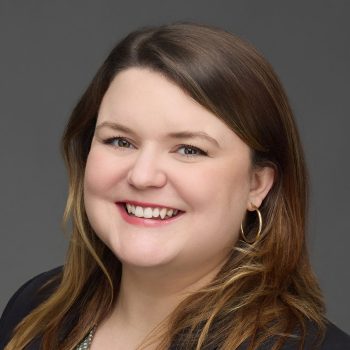
Meet Sara Morrison. Sara and her team are here to answer your questions and help you find the right Healthier Tomorrows dietitian. After submitting our appointment form, someone from Sara's team will follow up with you.