
Articles
Practical Nutrition Tips & Adapting Eating for Neurodiverse People
 What is Neurodiversity?
The concept of neurodiversity is rooted in the understanding that people think, learn, and behave in a wide range of ways that might not always fit into society’s concept of ‘normal.’ There isn’t a single ‘correct’ way to experience and interact with the world, and neurodiversity isn’t a problem that needs to be solved. When we embrace neurodiversity, we recognize and respect our differences as part of the uniqueness of human nature.
Nutrition Care from a Neurodiverse Lens
Nutrition care from a neurodiverse lens involves meeting individuals where they are and seeking to better understand their experiences and how these experiences impact day-to-day living and eating behaviors. The goal is not to conform to society’s expectations of ‘normal,’ but to approach eating patterns with curiosity, and support each individual in a way that helps them pursue their best self and a better sense of wellbeing.
Here are some examples of how neurodiverse individuals may experience food and eating differently.
Neurudivergent Sensory Experiences
Individuals have varying sensory experiences and perceptions. Some individuals may be ultra-sensitive to sounds, textures, smells, and more. This means that, for some individuals, the smell, taste, or texture of certain foods may cause discomfort. The sound of chewing certain foods, or other environmental factors during a meal, could also be distressing.
Hyperfixation
For some individuals, certain foods could become the subject of hyperfixation, and individuals might heavily focus on these foods for a period of time. Individuals may choose to eat the same specific foods or food combinations, and, eventually, they may move on from this fixation.
Consistency & Routine
Some individuals rely on consistent schedules and routines to offer a level of predictable comfort. This can translate to regular eating schedules, and an individual might be inflexible with the timing of meals or other aspects of the eating experience from which they are seeking consistency. Some individuals may experience discomfort when their eating schedules or other consistent aspects of the meal deviate from their norm.
Recognition of Hunger Cues
Individuals may experience poor recognition of hunger and fullness cues or may experience a lack of interest in eating. For these individuals, a set eating schedule, meal plan, or reminders to eat at regular intervals may be supportive in achieving proper nutrition.
Embracing a Deviation from ‘Normal’
Based on unique lived experiences and personal preferences, some individuals’ eating behaviors may not fit into society’s standards of ‘normal.’ Individuals may exhibit food preferences that deviate from the ‘norm,’ such as preferences for unexpected food combinations. Individuals may also experience food aversions, anxiety, or a feeling of pressure to display ‘normal’ food behaviors that don’t feel intuitive or comfortable to them.
Supporting Neurodivergent Needs
At Healthier Tomorrows, we believe there is a solution for everyone when it comes to supportive nutrition that is enjoyable, sustainable, and supports wellbeing. We believe in an open-minded approach, where curiosity and client comfort drive the work we do together.
Want to learn more? Schedule a session with one of our registered dietitians today!
Citations
Start your journey to a
Healthier Tomorrow
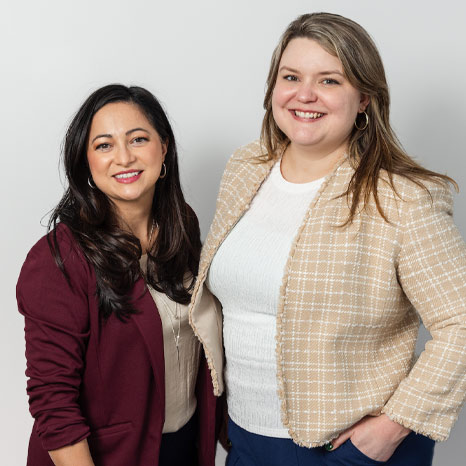
Meet Sara and Sabrina. Their team is here to answer your questions and help you find the right Healthier Tomorrows dietitian. After requesting an appointment, someone from their team will follow up with you.
Schedule an Appointment Online Submit Scheduling FormSubmit Scheduling Form
Fill out our scheduling form below. Our team will reach out to you to help you find the right Healthier Tomorrows dietitian.