Articles
Plant-Based Eating: What It Means, Why It Matters, and How to Begin
Key Takeaways
- Plant-based eating prioritizes plants (fruits, vegetables, nuts, seeds, beans, whole grains) but doesn’t require cutting out meat entirely.
- Plant-based diets are linked to lower heart disease risk, better blood pressure and blood sugar control, weight management, and improved digestion.
- Common types: vegetarian (allows eggs and dairy), vegan (no animal products), pescatarian (adds seafood), and flexitarian (mostly plants with occasional meat).
- Plant-based protein sources include soy (tofu, tempeh, edamame), beans and legumes, nuts, and seeds.
- Vegan diets require attention to vitamin B-12. Include fortified foods like plant-based milks and nutritional yeast.
- Start small: focus on one meal at a time, aim for ⅔ of the plate as plants, and try one meatless meal per week.
 What Is a Plant-Based Diet? (And What It Isn’t)
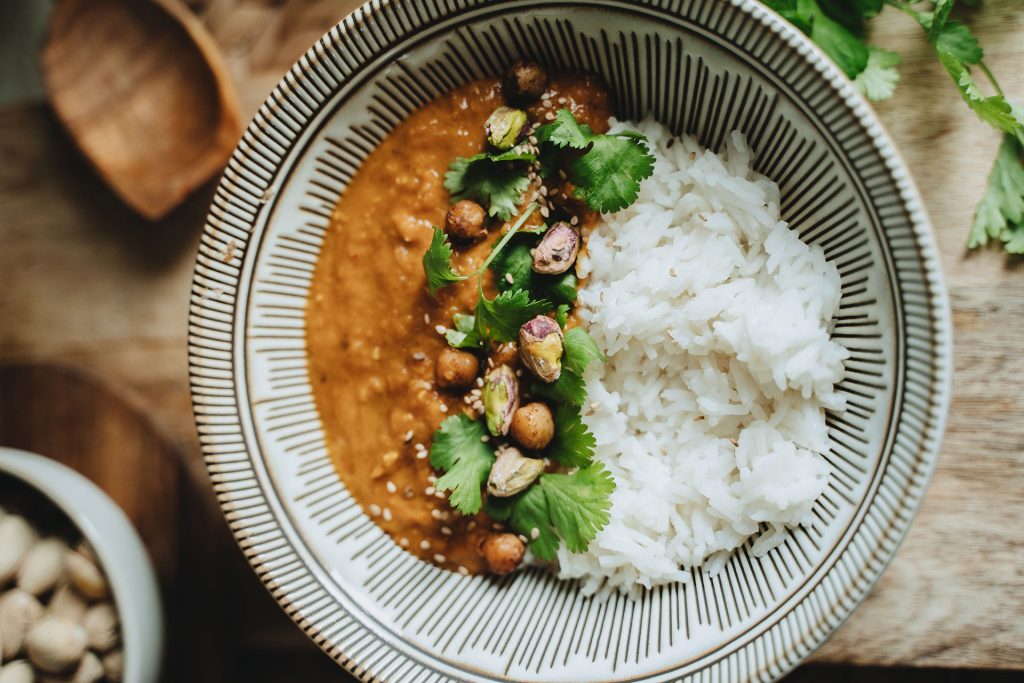
Plant-based eating simply means prioritizing foods that come from plants, while limiting animal products like meat. It doesn’t necessarily mean cutting out meat altogether. Instead, it focuses on adding more plants, like fruits, vegetables, nuts, seeds, beans, and whole grains.
Health Benefits of a Plant-Based Diet
Research shows that including more plant-based foods in your diet may improve the following:
- Risk of heart disease
- Blood pressure control
- Blood sugar control
- Weight management
- Digestion
Types of Plant-Based Diets: Vegetarian, Vegan, Pescatarian, and Flexitarian
- Vegetarian: includes eggs and dairy products but excludes meat, fish, and poultry
- Vegan: includes only plant-based foods and excludes all animal-derived food items like meat, fish, poultry, eggs, dairy, and honey. It’s important to note that following a vegan diet can make it more difficult to meet nutrient needs like vitamin B-12. If you follow a vegan diet, it’s important to include foods that are fortified with B-12, such as plant-based milks and nutritional yeast.
- Pescatarian: a vegetarian diet that includes seafood
- Flexitarian: primarily vegetarian diet but allows for some meat and seafood occasionally
How to Get Enough Protein on a Plant-Based Diet
As stated above, some plant-based diets include animal products like meat and fish, which are good sources of protein. However, there are plenty of plant-based protein sources to choose from as well:
- Soy: Tofu, tempeh, edamame, and soy milk contain 8-20 grams of protein per serving
- Beans & legumes: Lentils, pinto beans, and black beans contain 15-18 grams of protein per 1 cup. Bonus: these foods are high in fiber too, with about 15 grams of fiber per 1 cup!
- Nuts & seeds: Hemp seeds, chia seeds, almonds, and pistachios provide 6-10 grams of protein per serving.
How to Start a Plant-Based Diet: 4 Beginner Tips
- Try to fill 2/3 of your plate with fruits, vegetables, and whole grains, and limit 1/3 of your plate to an animal protein like meat or poultry
- Keep staples on hand, such as nuts, seeds, canned beans, whole grain pasta, and frozen vegetables
- Add extra veggies to meals and experiment with new ways to cook them
- Try substituting meat for tofu, tempeh, or lentils. Even making one meal per week “meatless” can help add more variety and fiber to your diet!
The key to plant-based eating is to start small- no good ever comes from trying to overhaul your diet at once. Focus on one meal at a time and see what new colors you can add to your plate. While it seems simple, adding more plants means adding more fiber and micronutrients, which over time will yield positive results for your health.
The Bottom Line
Whether you follow a vegan, vegetarian, or omnivorous diet, the goal is the same: eat more plants. Since plant-based foods have many health benefits, it is beneficial to prioritize balancing our meals and adding variety. Working with a registered dietitian can help you create a personalized eating plan that prioritizes plants, while tailoring changes to your preferences and lifestyle.
References
Clem, J., & Barthel, B. (2021). A Look at Plant-Based Diets. Missouri Medicine, 118(3), 233–238.
Dietitians specializing in Vegetarian, Vegan & Plant-Based Diets








Start your journey to a
Healthier Tomorrow
Meet Sara and Sabrina. Their team is here to answer your questions and help you find the right Healthier Tomorrows dietitian. After requesting an appointment, someone from their team will follow up with you.
Schedule an Appointment Online Submit Scheduling FormSubmit Scheduling Form
Fill out our scheduling form below. Our team will reach out to you to help you find the right Healthier Tomorrows dietitian.