 When it comes to the who’s who of healthcare providers, things can start to look a bit like alphabet soup. The nutrition profession is no exception: RD vs. RDN… is there a difference? What’s a CEDS? Is a CEDS different than a CEDS-C. And wait, CDCES is the same letters as CEDS-C… rearranged?
We’re here to take the guess work out of choosing the provider that’s right for you! Healthier Tomorrows has a diverse team of nutrition professionals with an expansive skill set. Check out our Glossary of Credentials to learn more.
RD/RDN: Registered Dietitians (also known as Registered Dietitian Nutritionists) are experts in food and nutrition. RDs have completed an accredited undergraduate or graduate dietetics program as well as a 1,200-hour supervised practice experience. RDs must pass a national exam and must maintain minimum continuing education requirements to stay up to date in the field of nutrition.
LD/LDN/CDN: Licensed Dietitians (also known as Licensed Dietitian Nutritionists or Certified Dietitian Nutritionists) are legally permitted to practice in the state(s) in which they hold license(s). An LD must be a Registered Dietitian and also meet individualized state requirements to procure and maintain licensure.
In 2024, the minimum degree requirement for eligibility to take the national certification exam to become a registered dietitian changed from a bachelor’s degree to a graduate degree. Professionals who had already obtained RD status prior to 2024 were not required to obtain a graduate degree, however, many RD’s have a graduate-level degree.
MS stands for Master of Science degree, which is a post-graduate degree in a science-related field. Many RDs hold MS degrees related to nutrition and dietetics and can specialize with emphasis on topics like counseling or sports nutrition.
M.Ed stands for Master of Education, which is a post-graduate degree with a primary focus on education. For RD’s, M.Ed degrees strengthen their ability to teach and communicate with clients.
CEDS: Certified Eating Disorder Specialists are licensed healthcare providers (including physicians, therapists, dietitians, and others) who have accrued at least 2,500 hours of professional eating disorder experience, participated in case consultation with an approved consultant (CEDS-C), completed educational courses specifically related to the treatment of eating disorders, and passed a certification exam. CEDSs must maintain minimum continuing education requirements to stay up to date in the field of eating disorders.
CEDS-C: Certified Eating Disorder Specialist Consultants meet all the CEDS requirements, and, in addition, have at least five years and 6,000 hours of professional eating disorder experience. CEDS-Cs receive additional training that equips them to mentor and provide consultation to practitioners who are seeking the CEDS designation.
CFNIP: Certified Functional Nutrition Informed Professionals are experts in evidence-based, holistic approaches to nutritional management of common health conditions. CFNIPs must complete continuing education in topics related to functional nutrition to obtain certification and must maintain minimum continuing education requirements to stay up to date in the field of functional nutrition.
CDCES: Certified Diabetes Care & Education Specialists are health professionals with comprehensive knowledge and professional experience in the prevention and management of diabetes. CDCESs have accrued at least two years and 1,000 hours of professional practice experience related to diabetes prevention and management, participated in relevant continuing education and passed a certification exam. CDCESs must maintain minimum continuing education requirements to stay up to date in the field of diabetes prevention and management.
CLT: Certified LEAP Therapists have advanced clinical training in managing adverse food reactions with an emphasis on food sensitivities using the LEAP (Lifestyle, Eating, and Performance) protocol. CLTs have completed a specialized training course and learned through professional consultation with a CLT LEAP Mentor.
CNSC: Certified Nutrition Support Clinicians are licensed healthcare providers (including dietitians, nurses, physicians and pharmacists) who are experts in enteral and parenteral feeding support. CNSCs have accrued at least 2 years of professional experience in enteral and parenteral nutrition support and passed a certification exam. CNSCs must stay up to date and demonstrate their knowledge through a recertification exam every five years.
CPT: Certified Personal Trainers are experts in the safe and effective delivery of exercise programs and the way that movement impacts the body. CPTs have completed educational courses specifically related to personal training and passed a certification exam. CPTs must maintain minimum continuing education requirements to stay up to date in the field of personal training.
CYT: Certified Yoga Teachers are experts in the core fundamentals of yoga and mindfulness and have completed a yoga teaching training program that qualifies them to teach yoga philosophy, mindfulness, and movement to others.
Use our online booking system to find a dietitian and schedule an appointment.
Click Here to Schedule Online Now!Fill out our scheduling form below. Our team will reach out to you to help you find the right Healthier Tomorrows dietitian.
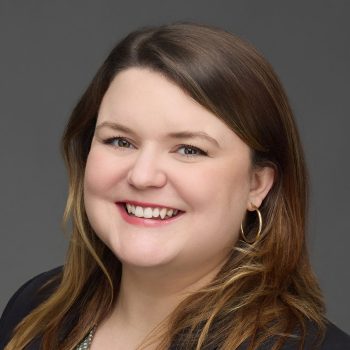
Meet Sara Morrison. Sara and her team are here to answer your questions and help you find the right Healthier Tomorrows dietitian. After submitting our appointment form, someone from Sara's team will follow up with you.