
 Choosing between seeking support from a Registered Dietitian or nutritionist can be confusing, especially because their titles are so similar. So, what is the difference? Education, training, and scope of practice vary widely between Registered Dietitians and nutritionists.
Education & Training
Registered Dietitians have completed an accredited undergraduate or graduate dietetics program that meets the standards of the Accreditation Council for Education in Nutrition and Dietetics. They have also completed a 1,200-hour supervised practice experience working under a Licensed Dietitian.
In 2024, the minimum degree requirement for eligibility to become a registered dietitian changed from a bachelor’s degree to a graduate degree. Those certified prior to 2024 were not required to obtain a graduate degree; however, many RD’s have a graduate-level degree.
Certification
To become a Registered Dietitian, individuals must pass a national exam, demonstrating knowledge in areas such as human nutrition, specialized nutrition care for medical conditions and populations, management of nutrition programs and foodservice systems.
Licensure
Most states require a Registered Dietitian to be licensed to practice medical nutrition therapy (MNT). Licensed Dietitians (also known as Licensed Dietitian Nutritionists or Certified Dietitian Nutritionists) are legally permitted to practice in the state(s) in which they hold license(s), similar to license requirements for physicians, nurses, and many other healthcare professionals.
Continuing Education
Registered Dietitians must maintain minimum continuing education requirements to stay up to date on the latest research and best practices in the field of nutrition.
Professional Regulation
Registered Dietitians are regulated by the Commission on Dietetics Registration and professional licensing boards in each state, ensuring they adhere to educational, ethical, and professional standards.
Scope of Practice
Registered Dietitians are qualified to practice medical nutrition therapy, which is individualized nutrition care that specifically addresses an individual’s medical history. They often work in healthcare settings, such as hospitals, long-term care facilities or outpatient private practices, alongside other professional members of an interdisciplinary healthcare team.
Professional Regulation
‘Nutritionist’ is not a universally regulated term. In some states ‘nutritionist’ is a protected title with specific requirements, while, in other states, anyone can use the term ‘nutritionist.’ There are no universal requirements for education or training among this category of professionals. Be sure to verify individual qualifications and experience if seeking support from a nutritionist.
Scope of Practice
Nutritionists cannot legally provide medical nutrition therapy, but they do provide generalized wellness guidance around healthy eating practices. Nutritionists might work in a variety of settings, including gyms, community health organizations, and wellness centers.
Registered Dietitians are experts in nutrition who have met standards related to their education, training, certification and licensure to support a wide variety of individuals with diet-related medical conditions. If you are seeking individualized nutrition care that takes into account your health needs, a Registered Dietitian is the appropriate professional for you.
Use our online booking system to find a dietitian and schedule an appointment.
Click Here to Schedule Online Now!Fill out our scheduling form below. Our team will reach out to you to help you find the right Healthier Tomorrows dietitian.
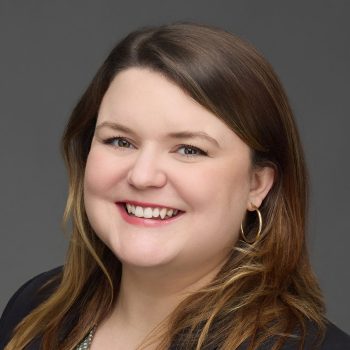
Meet Sara Morrison. Sara and her team are here to answer your questions and help you find the right Healthier Tomorrows dietitian. After submitting our appointment form, someone from Sara's team will follow up with you.