
Articles
Virtual Nutrition Counseling – What to Expect
 Many people assume that they are getting all of the nutrients they need, but they would be mistaken. Often, people have nutritional deficiencies without realizing it. By the time a nutritional deficit is evident, it can significantly impact your overall health. Nutritional counseling involves guidance from a virtual registered nutritionist or dietitian and is specially designed to meet the needs of the individual. During nutritional counseling, a professional will discuss your medical history and eating habits and then talk about any health concerns you might have. The goal is to tailor a plan that has actionable steps to improve your eating habits and food intake for better health. Are you someone who can benefit from nutritional counseling?
What is Nutrition?
Nutrition is what someone eats, and it is a vital component of health and longevity. A lifetime of poor eating habits can increase your risk of acute and chronic health conditions like heart disease, obesity, type 2 diabetes, osteoporosis, and cancer. Malnutrition, which is a lack of the proper nutrients necessary for good health, can lead to a high risk of falls and instability, decreased bone mass, and poor wound healing. Although most people know that proper eating is essential for a long, healthy life, putting it into daily practice isn’t always easy. Sometimes, having a professional evaluate current habits and devise a plan for future well-being can make all the difference. Nutritional counseling is an excellent way to ensure you are doing all you can to improve your health and wellness.
What is Nutritional Counseling?
According to the CDC, nutritional counseling is “a process where a qualified health professional helps individuals make informed food choices and develop healthy eating habits. It involves guidance and education from a reliable source, focusing on evidence-based nutrition practices tailored to individual needs and goals.” The goal of nutritional counseling varies from one individual to another depending on their current health status or chronic health condition.
What is a Registered Dietitian?
A registered dietitian or registered dietary nutritionist is a professional who has expertise in nutrition and has met the guidelines for certification from the Commission on Dietetics Registration. They go beyond offering nutritional advice and use an evidence-based medical approach meant to treat particular conditions. RDs and RDNs work in many environments such as hospitals, community centers, and private health practices. Thanks to the convenience of telehealth, they can also work virtually to counsel patients in the privacy and convenience of their homes. It is important to note that a nutritionist differs from an RD/RDN because while all dietitians are also nutritionists, not all nutritionists are registered dietitians and certified.
What Happens During Nutritional Counseling?
While every nutritional counseling program differs, there are common practices they share. The goal of counseling is to evaluate your current health and nutritional habits. Other factors are also discussed, such as culture, budgetary concerns, medical status, and individual goals. Therefore, they may:
- Review your medical history and current health status – When meeting with a nutritional counseling professional, you will discuss any food allergies or sensitivities you have. You will also discuss any current health conditions or digestive issues you may have. Always advise them of any medications or supplements you currently take. Other issues you will talk about are your activity level, eating habits, and any issues you are struggling with. Most likely, they will also evaluate you for signs of nutritional deficiencies, such as muscle cramps or hair loss, which can signal key vitamins and minerals lacking in your current diet.
- Discuss basic nutrition – They will discuss the importance of various foods and how they impact your overall well-being. Your nutritional counselor will also guide you on how to read food labels and teach you about what you need to pay attention to when planning your daily meals.
- Teach you how to be mindful when making food choices – Your nutritional counselor will discuss how to recognize patterns of negative emotions and thoughts that revolve around foods. They can also talk to you about how to make sense of hunger cues and seek to form a positive relationship with food and eating. Part of nutritional counseling isn’t just about tackling what you eat; it involves recognizing the “why” behind food patterns and behaviors as well.
- Help you set goals for dietary habit changes – Once they have a baseline for where your nutritional status is, you work together to establish goals about calorie intake and what types of foods you should incorporate or exclude. The goal is to develop realistic goals for your future.
- Create an action food plan – The key to nutritional counseling is to devise an action nutritional plan for the future. You will discuss your nutrient and calorie intake, food choices, and budgetary expectations. They might also provide you with a simple and healthy food plan to follow that incorporates your culture and personal preferences. They will also help you find healthier food substitutions for those things that you intend to cut from your meal plan.
What Are the Benefits of Nutritional Counseling?
Nutritional counseling aims to improve your health and longevity. It can provide many benefits, with the main goal being:
Prevent and Manage Chronic Health Conditions
Nutritional counseling seeks to create lifestyle changes that can help lower the risks of developing chronic health conditions like hypertension, type 2 diabetes, obesity, heart and cardiovascular diseases, and other illnesses. For those who have chronic health conditions, nutritional counseling can help to ease symptoms and, in some instances, reverse them.
Achieve a Healthy Weight
Obesity is one of America’s biggest health concerns. According to the latest statistics, 40.3% of American adults were obese from 2021 to 2023. That means that one in three adults suffers from obesity. Once more, severe obesity afflicts 9.4% of American adults. Obesity has been shown to increase your risk of cardiovascular and heart disease, type 2 diabetes, and stroke. It can also limit mobility, which will create an unhealthy cycle and decrease your quality of life. Although no two people are the same, making healthier food choices and being mindful of your calorie and nutritional intake can significantly increase your health and happiness.
Increase Your Overall Well-Being
When you improve what you eat, you can improve your overall well-being and happiness. It not only helps to decrease your risk of certain chronic health conditions; it can increase energy levels, improve digestion, increase sleep quality, enhance your mood, and even reduce brain fog and sharpen your mental acuity. When you combine better nutrition with other lifestyle enhancements like exercise, social connectedness, and cessation of smoking, it can transform your life.
Develop Long-Term Food Habits
The goal of nutritional counseling is to improve your eating behaviors and patterns gradually through an individualized plan that is practical and realistic. By gaining the knowledge and hacks needed to make healthier food choices, you can develop long-term habits that will transform your daily life. The better you eat, the better you will feel, which will perpetuate long-term changes to your eating habits and life.
What Are the Benefits of Virtual Nutritional Counseling
There are many benefits of nutritional counseling, but not many people have the time to allocate for in-office appointments. For those who already live a hectic life, the ability to use virtual nutritional counseling is an extra convenience. Also, for those living in rural areas, it reduces accessibility hurdles to finding a professional nearby. Once more, you can work appointments around your busy schedule, often after hours or even on weekends.
Is Virtual Nutritional Counseling Right For You?
Many who think they get all of the nutrients they need would be shocked to find that they actually don’t. Optimal eating is necessary for optimal health. By evaluating where your eating habits currently lie, you can identify room for improvement. If you are dealing with a chronic health condition or looking to reduce your risk of developing one, a virtual nutritional consult is the best way to go. Contact our office today to set up your counseling appointment and start enjoying an overall better quality of life today!
Start your journey to a
Healthier Tomorrow
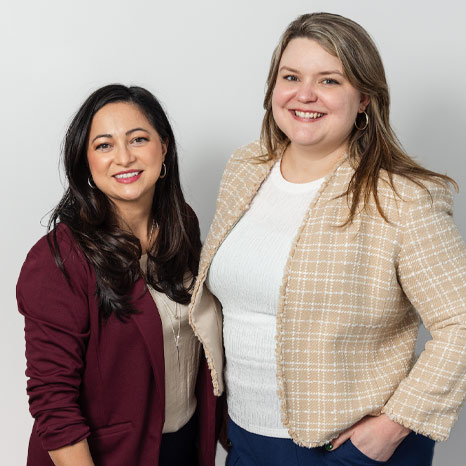
Meet Sara and Sabrina. Their team is here to answer your questions and help you find the right Healthier Tomorrows dietitian. After requesting an appointment, someone from their team will follow up with you.
Schedule an Appointment Online Submit Scheduling FormSubmit Scheduling Form
Fill out our scheduling form below. Our team will reach out to you to help you find the right Healthier Tomorrows dietitian.