
Articles
Summer Wellness – Nourishment, Hydration and Seasonal Joy
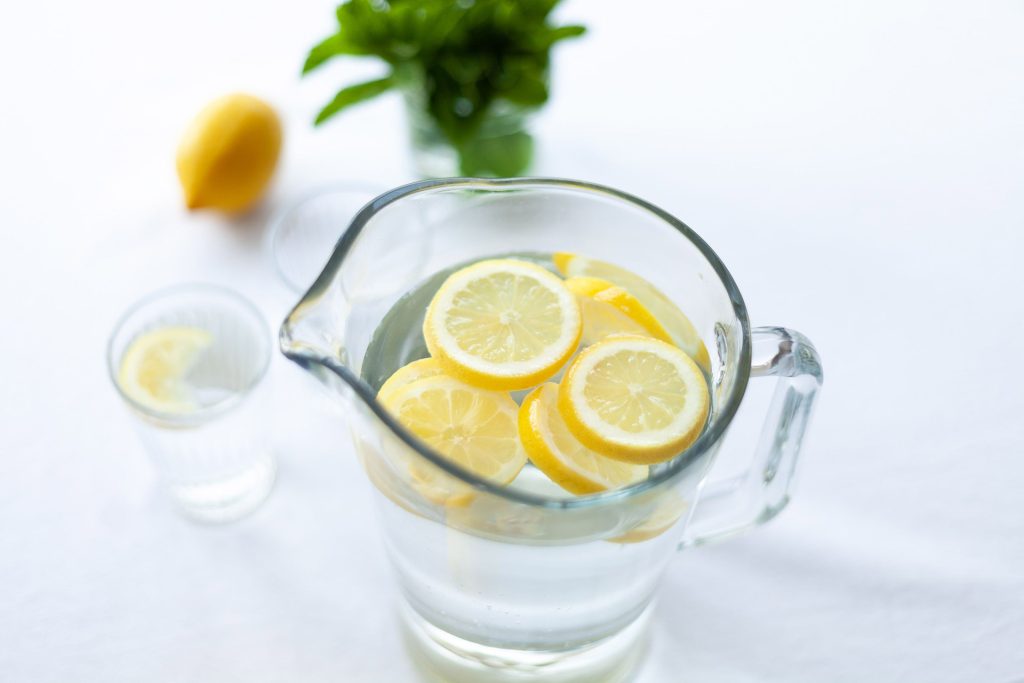 As temperatures are high and schedules tend to include more vacations, outdoor gatherings, and long heated hours, summer can provide a good opportunity to connect with wellness in a refreshing way. Instead of focusing on “summer body” messaging, let this season increase chances to prioritize hydration, nourishment, movement, and good-for-the-body foods.
Hydration is especially important during long days spent outdoors engaging in physical activity, as the body loses fluid through sweat. Sweat contains sodium and hydrogen ions, helping to maintain body temperature. Therefore, replenishing fluids is most important. Hydration needs are individualized and depend on factors including activity level, medications, medical conditions, body size, weight, environment, and other beverage sources such as caffeine and alcohol. Exact recommendations for daily fluids are individualized, yet the general guideline is to aim for half of one’s body weight in fluid ounces. For example, a 160-lb individual should aim for a minimum of 80 fl oz per day, while making adjustments as needed.
Yet, hydration can feel challenging, especially for those who feel that plain water is “boring”. Some ideas to make hydration more appealing include adding citrus fruits (lemon, lime, orange, etc.) to water or infusing with cucumber, mint, or berries. Other ideas include sparkling waters, iced teas, and frozen fruit cubes. Even trying a new colorful water bottle or straw can make hydration more fun! It can also help to make sure you’re keeping cold beverages on hand when you’ll be outdoors, while driving, and at mealtimes.
Summer is a great time to think about refreshing, seasonal fruits and vegetables that support hydration. Seasonal fruits and vegetables include: mango, peaches, watermelon, pineapple, plums, berries, nectarines, peaches, tomatoes, cucumber, corn, bell peppers, zucchini, and fresh herbs. Many of these options are water-containing and include vitamins, fiber, and antioxidants.
Including these fresh, seasonal produce items into mealtime can also be a great way to bring people together at the table, especially as many of these are beautiful and texturally diverse. Some fun options include grilled peaches or veggie skewers, fruit skewers, salads (watermelon/feta/mint, caprese, pasta salads), smoothies, and yogurt bowls.
Grilling is a fun way to bring people together for a backyard hangout, and cookouts can accommodate truly anyone’s preferences. Whether that is meat driven (ex: chicken, pork, turkey, beef), vegetarian/vegan (cheese, tofu, bean/falafel burgers, veggies), or pescetarian (shrimp, fish), all can be included in the fun!
The best skewers are accompanied by sides, and some fun ideas to try may include roasted potatoes, dips/spreads (hummus, tzatziki, cheese, eggplant), and other salad types (cowboy caviar, potato, cucumber/tomato salad).
Outside of nutrition, summer wellness also includes protecting skin from a higher UV index, connecting socially, prioritizing both movement and rest, and sitting around the table with loved ones.
This summer, if any of these ideas are feasible, give them a try! Wellness is entirely individualized to each person, and finding small moments of joy this summer can truly make the sun shine on!


Start your journey to a
Healthier Tomorrow
Meet Sara and Sabrina. Their team is here to answer your questions and help you find the right Healthier Tomorrows dietitian. After requesting an appointment, someone from their team will follow up with you.
Schedule an Appointment Online Submit Scheduling FormSubmit Scheduling Form
Fill out our scheduling form below. Our team will reach out to you to help you find the right Healthier Tomorrows dietitian.